Objective
A practical step-by-step guide to lifecycle, rollback and recovery for Secure credentials and secrets in automation, including prerequisites, exact navigation, validation, troubleshooting, and rollback.
Prerequisites
- Run the shell with only the privileges required by the task.
- Test automation against a non-production target or a limited scope first.
- Record current values and capture command output before modification.
- Store secrets securely and never hard-code credentials in scripts.
Step-by-step procedure
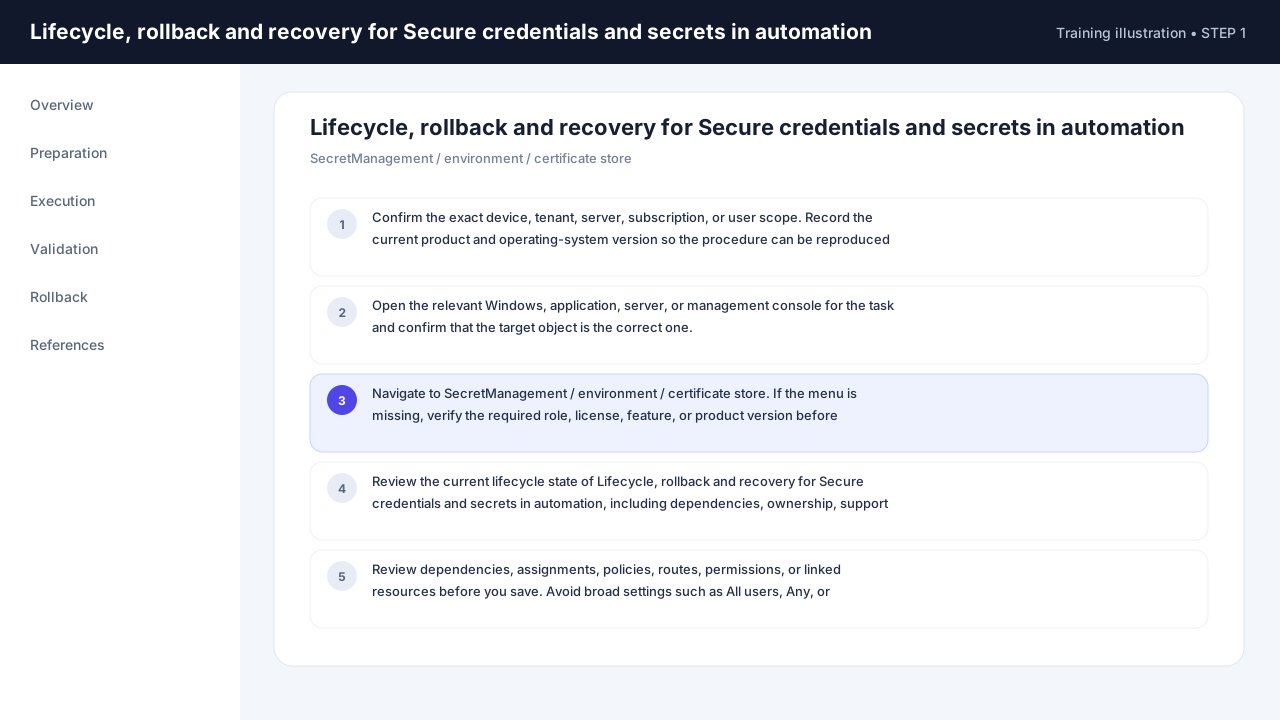
- Confirm the exact device, tenant, server, subscription, or user scope. Record the current product and operating-system version so the procedure can be reproduced later.
- Open the relevant Windows, application, server, or management console for the task and confirm that the target object is the correct one.
- Navigate to
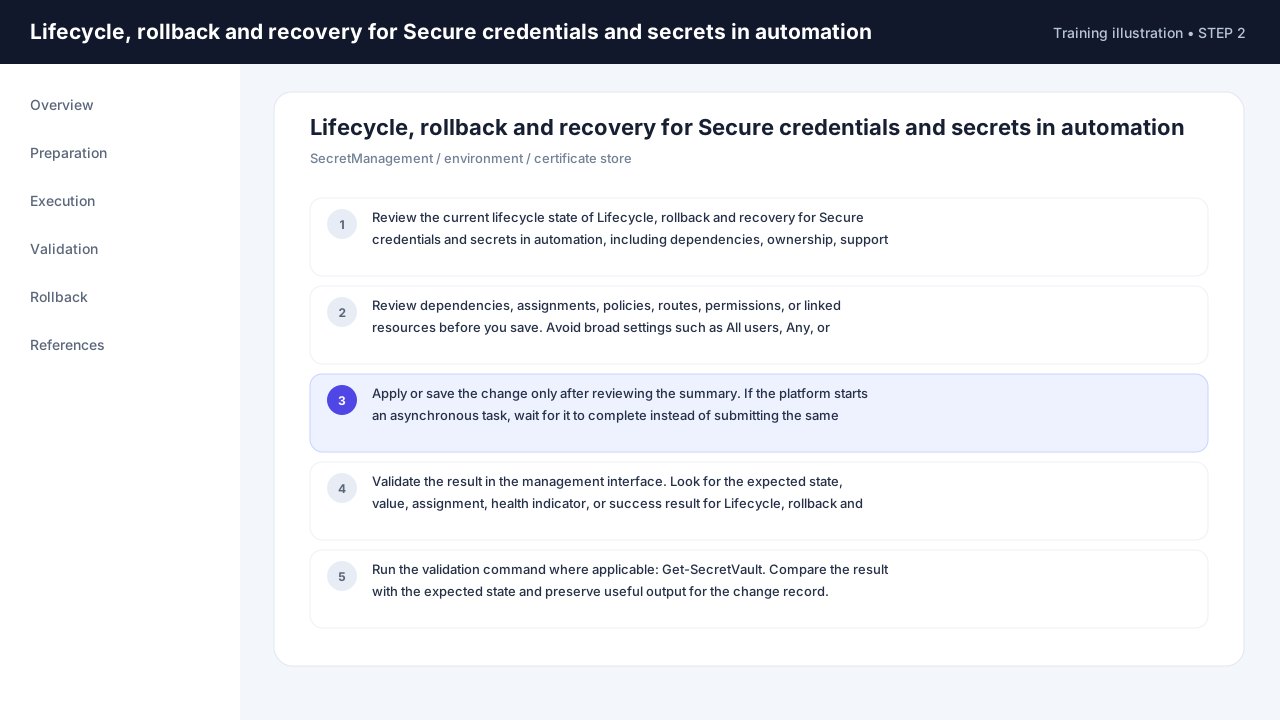
SecretManagement / environment / certificate store. If the menu is missing, verify the required role, license, feature, or product version before attempting a workaround. - Review the current lifecycle state of Lifecycle, rollback and recovery for Secure credentials and secrets in automation, including dependencies, ownership, support status, backup, and retirement requirements.
- Review dependencies, assignments, policies, routes, permissions, or linked resources before you save. Avoid broad settings such as All users, Any, or unrestricted access unless they are explicitly required.
- Apply or save the change only after reviewing the summary. If the platform starts an asynchronous task, wait for it to complete instead of submitting the same operation again.
- Validate the result in the management interface. Look for the expected state, value, assignment, health indicator, or success result for Lifecycle, rollback and recovery for Secure credentials and secrets in automation.
- Run the validation command where applicable:
Get-SecretVault. Compare the result with the expected state and preserve useful output for the change record. - If the result is not correct, stop before destructive reset or deletion. Restore the last known-good setting or configuration, then collect logs and error details before the next attempt.
- Document what was changed, who approved it, the validation result, the version tested, and the exact rollback action. A professional change is complete only after verification.
Commands and checks
Get-SecretVaultSuccess validation
- Verify the final state in the product interface and confirm there are no new alerts or errors.
- Test the task from the actual user, client, network, or workload perspective.
- Save evidence of the working state so it can be compared during future troubleshooting.
Rollback and troubleshooting
- Return to the documented previous value or restore the configuration backup made before the change.
- If the impact is unclear, stop before delete/reset operations and return to the last known-good state.
- Capture the exact error text, event/log timestamp, and affected scope before further changes.
Caution: Avoid destructive reset, profile deletion, broad security scope, or unrestricted network access until backups and impact are understood.
Official source: Microsoft — PowerShell official documentation. Product menus can change with service updates; verify the screen and version before applying production changes.